
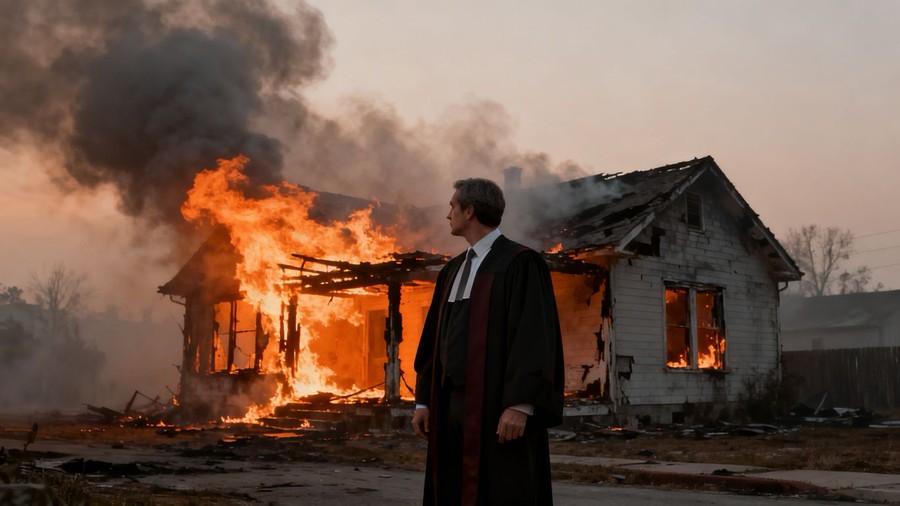
Experiencing a wildfire can be a deeply unsettling event, leaving individuals and families to grapple with significant losses. In the chaotic aftermath, it is important to understand that legal rights exist to help with recovery and rebuilding. While each situation is unique, several key areas of compensation and recourse are generally available to those affected.
Compensation For Property Damage
When a wildfire damages or destroys property, victims are often entitled to compensation. This can come from several sources. Your homeowners insurance policy is a primary avenue, typically covering:
- Dwelling: The cost to repair or rebuild your home.
- Other Structures: Damage to detached garages, sheds, or fences.
- Personal Property: Loss or damage to your belongings, such as furniture, clothing, and electronics.
- Additional Living Expenses: Costs for temporary housing, meals, and other necessities if you are displaced.
Beyond insurance, if the fire was caused by the negligence of a third party, such as a utility company or a government entity, you may have grounds to pursue a claim against them. This is especially true if their actions or failures contributed to the fire’s spread. For renters, specific rights apply to seek compensation for their losses, separate from homeowners’ claims [5d42].
Personal Injury Claims
Wildfires pose serious risks to health and safety. Injuries can range from burns and smoke inhalation to more long-term health issues. It is vital to seek medical attention promptly, as some symptoms may not appear immediately. Documenting all injuries, treatments, and ongoing medical needs is crucial for any personal injury claim. This documentation should include not only physical ailments but also emotional distress, pain, and suffering experienced as a result of the incident. Seeking prompt medical evaluation is the first step in protecting your health and legal standing.
Lost Wages And Business Interruption
The impact of a wildfire can extend beyond immediate property damage and personal injury. If you were unable to work due to the fire, or if your business was forced to close, you may be able to recover lost income. This could involve claims for lost wages if employment was unfairly impacted, or claims under business interruption insurance if you have such coverage. Understanding the terms of your employment and any relevant insurance policies is key to pursuing these types of claims. For Indigenous peoples on reserves, specific duties of care related to housing may also be relevant in certain circumstances [8803].
Navigating Insurance Claims With A Wildfire Damage Lawyer
Dealing with insurance companies after a wildfire can be a difficult and confusing process. Many policyholders find themselves facing delays, low settlement offers, or outright claim denials. It is important to understand your homeowners insurance policy thoroughly before and after a wildfire event. Your policy outlines what is covered, the limits of that coverage, and the procedures you must follow to file a claim.
Insurance companies may employ tactics to minimize payouts, a practice sometimes referred to as bad faith. This can include:
- Pressuring you to accept a quick settlement without a full assessment of damages.
- Misinterpreting policy language to exclude coverage.
- Unreasonably delaying the investigation or payment of your claim.
- Requiring excessive documentation beyond what is reasonable.
If you suspect your insurance company is not acting in good faith, a wildfire damage lawyer can be instrumental. They can help you understand your policy, communicate with the insurer on your behalf, and negotiate a fair settlement. In cases where the insurer continues to act unfairly, a lawyer can also advise on pursuing legal action against the company.
Beyond your own insurance, there may be instances where a third party’s negligence contributed to the wildfire. If this is the case, a lawyer can help you explore claims against those responsible parties, such as utility companies or government entities, to recover additional compensation for your losses.
When To Seek A Wildfire Damage Lawyer
Dealing with the aftermath of a wildfire is incredibly difficult. Beyond the immediate shock and loss, there’s a complex web of insurance claims, potential legal actions, and the sheer effort of rebuilding. While some individuals might attempt to handle these matters independently, there are specific situations where engaging a lawyer becomes not just beneficial, but often necessary.
Identifying Liable Parties
Fires don’t always start on their own. Sometimes, negligence plays a role. This could involve utility companies failing to maintain power lines, contractors not following safety protocols, or even government agencies delaying crucial evacuation orders. Identifying who is responsible for a wildfire is a critical first step in seeking compensation. A lawyer experienced in these cases knows how to investigate the fire’s origin, gather evidence like fire reports and witness statements, and pinpoint all parties whose actions or inactions may have contributed to the destruction. This thorough investigation is key to understanding your legal options.
The Role Of A Legal Advocate
Once potential responsible parties are identified, a lawyer acts as your advocate. They can help you understand your rights and the various types of compensation you might be entitled to, such as property repair costs, medical expenses, and lost income. Insurance companies may offer settlements that don’t fully cover your losses, or they might even deny a valid claim. A legal advocate works to counter these tactics, communicating with insurers on your behalf and ensuring your claim is treated fairly. They can also help you file a lawsuit if a fair settlement cannot be reached through negotiation. For guidance on filing claims, resources like filing fire damage insurance claims can be helpful.
Building A Strong Case For Compensation
Gathering and organizing the necessary documentation is a significant undertaking. This includes proof of property damage, repair estimates, medical records for any injuries sustained, and evidence of lost income or business interruption. A lawyer will meticulously collect and preserve this evidence, often working with experts to accurately assess the full extent of your losses. This detailed approach is vital for building a robust case that accurately reflects the true cost of the wildfire’s impact on your life. If your insurance company is being difficult, a lawyer can be instrumental in navigating the claims process and ensuring you receive fair compensation.
The Wildfire Lawsuit Process
When a wildfire causes significant damage, understanding the legal process is key to seeking compensation. This journey often involves several distinct stages, each requiring careful attention and evidence.
Investigation and Cause Analysis
The first step in any wildfire lawsuit is to determine exactly how the fire started and who might be responsible. This involves a thorough review of official fire reports, witness accounts, and potentially expert opinions. The goal is to pinpoint the origin of the fire and identify any parties whose actions or negligence may have contributed to its spread and the resulting destruction. This foundational stage is critical for building a strong case.
Documentation of Losses
Once the cause and potential liable parties are identified, the focus shifts to documenting the full extent of the damages. This means gathering all relevant records and evidence, such as:
- Proof of property damage, including repair estimates and replacement costs.
- Medical records detailing injuries sustained and treatment received.
- Financial records showing lost income or business interruption.
- Correspondence with insurance companies, including claim denials or low settlement offers.
- Evidence of emotional distress or trauma resulting from the event.
Negotiation and Litigation
With a clear picture of the damages and liability, the next phase involves seeking a resolution. Often, this begins with negotiations.
If you have been affected by a wildfire, connecting with wildfire property damage resources can be an important step toward understanding your options and protecting your rights.Your legal team will engage with the responsible parties or their insurance companies to try and reach a fair settlement. This process requires skillful negotiation to ensure your losses are adequately covered. If negotiations fail to produce a satisfactory outcome, the case may proceed to litigation. This means taking the matter to court, where a judge or jury will decide the outcome. The legal advocacy during this stage is paramount to achieving justice.
Types Of Damages Recoverable In Wildfire Cases
When a wildfire sweeps through, the destruction can be immense, leaving behind a trail of loss that goes far beyond the visible char. Understanding what kinds of compensation you might be eligible for is a critical step in the recovery process. It’s not just about replacing what was burned; it’s about addressing the full scope of harm.
Property Repair and Replacement Costs
This is often the most immediate and obvious concern. Wildfires can completely obliterate homes, businesses, and other structures. The costs associated with rebuilding or replacing these properties can be staggering. This category includes not only the main structures but also:
- Homes and other buildings: The cost to construct a new home or repair significant structural damage.
- Personal belongings: This covers everything from furniture and clothing to irreplaceable keepsakes that were destroyed.
- Vehicles and equipment: Cars, trucks, farm equipment, or any other vehicles lost in the fire.
- Landscaping and outbuildings: Damage to trees, gardens, fences, sheds, or garages.
It’s important to meticulously document the extent of property damage, often with photographs and detailed inventories, to support your claim. Sometimes, the damage isn’t just from flames; secondary damage like smoke and water damage from firefighting efforts can also be included.
Medical Treatment and Emotional Distress
Beyond physical property, the human toll of wildfires is profound. Injuries sustained during a fire, such as burns or smoke inhalation, require immediate and often long-term medical care. This can involve:
- Hospital stays and emergency room visits.
- Surgeries and ongoing physical therapy.
- Medications and specialized medical equipment.
- Mental health services for trauma, anxiety, and post-traumatic stress disorder (PTSD).
The emotional and psychological impact of losing one’s home and community can be just as devastating as the physical destruction. Compensation for emotional distress acknowledges the profound psychological suffering victims endure.
Lost Income and Business Losses
Wildfires don’t just destroy property; they disrupt lives and livelihoods. For individuals, this means lost wages if they are unable to work due to injury, displacement, or the destruction of their workplace. For business owners, the losses can be even more extensive:
- Business interruption: Lost profits and revenue during the period the business is closed or unable to operate.
- Inventory and equipment loss: The cost to replace stock and machinery needed to run the business.
- Damage to business premises: Repair or rebuilding costs for commercial properties.
- Loss of customers: The impact on customer base due to displacement or damage to the local economy.
Calculating these losses requires careful financial analysis, often involving accountants and economic experts to accurately represent the full extent of the financial hardship.
Protecting Yourself From Scammers
Wildfire disasters unfortunately bring out individuals looking to profit from the misfortune of others. It is important to remain vigilant and protect yourself from those who might try to take advantage of your situation.
Beware Of Unsolicited Offers
After a wildfire, you might receive calls, emails, or visits from people offering immediate assistance with repairs, insurance claims, or legal help. Be very cautious of these unsolicited approaches. Legitimate professionals will typically not pressure you into making quick decisions. Always be skeptical of anyone who contacts you first with a seemingly too-good-to-be-true offer. They may claim to have a special connection with insurance adjusters or promise guaranteed payouts, but these are often red flags.
Verify Credentials Of Service Providers
Before hiring any contractor, public adjuster, or even a lawyer, take the time to check their background and qualifications. Look for proper licensing with state and local authorities. You can often verify licenses through official government websites. Ask for references from previous clients, especially those who have dealt with similar disaster recovery situations. A reputable professional will be happy to provide this information. Do not hand over personal documents or sensitive information until you are comfortable and have verified their legitimacy.
Understanding Insurance Fraud
Scammers may also try to trick you into participating in insurance fraud, either knowingly or unknowingly. This could involve inflating the cost of repairs, claiming damages that did not occur, or submitting false information to your insurance company. Engaging in or even appearing to engage in such activities can have serious legal consequences. If your insurance company seems to be pressuring you to accept a low settlement quickly, or if someone suggests you misrepresent the extent of your losses, it is a sign that you may need to seek independent legal advice. Remember, your insurance policy is a contract, and you have the right to a fair assessment of your damages.