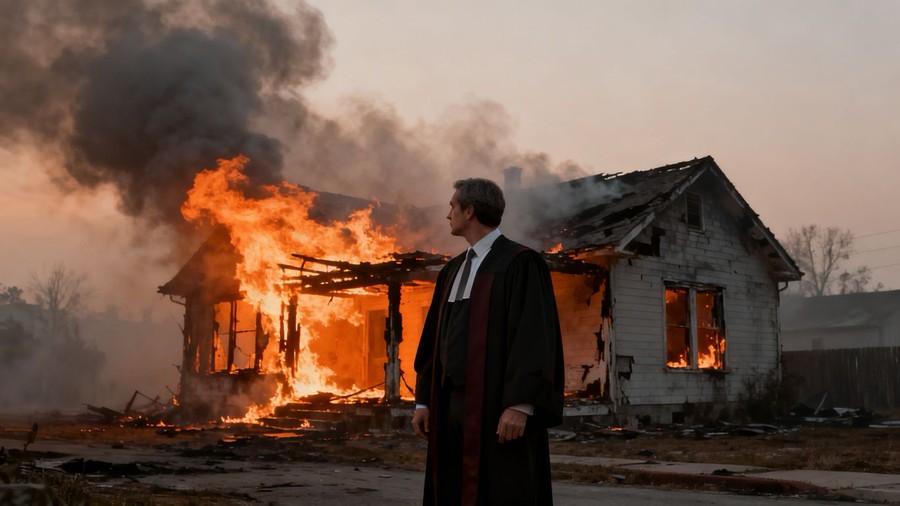

Commercial property claims are becoming more complex across the United States. From storm-related structural damage to fire, smoke, and water losses, business owners are navigating policies that often include layered coverage provisions, endorsements, and valuation clauses. As a result, many are seeking guidance from a Commercial Insurance Claim Adjuster to better understand how their claims are evaluated.
Unlike residential claims, commercial losses frequently involve larger financial exposure, operational disruption, and more detailed documentation requirements. This complexity has contributed to a growing awareness of professional claim representation.
The Unique Challenges of Commercial Property Claims
Commercial insurance policies typically differ from standard homeowner policies in several ways:
- Business interruption and loss of income provisions
- Equipment and machinery coverage
- Inventory valuation methods
- Ordinance and law requirements
- Coinsurance clauses
Each of these elements can significantly affect how a claim is calculated.
When a commercial property sustains damage, the review process may involve accountants, engineers, contractors, and multiple adjusters. A Commercial Insurance Claim Adjuster works to interpret policy language and assess how each part of the loss aligns with the coverage provided.
Business Interruption: A Critical Factor
One of the most significant aspects of commercial claims is business interruption. Even if structural repairs are straightforward, calculating lost revenue and continuing expenses requires detailed financial documentation.
Common considerations include:
- Historical income records
- Projected revenue trends
- Ongoing payroll obligations
- Extra expenses incurred to maintain operations
In many cases, documentation gaps or interpretation differences can slow the evaluation process. Careful preparation helps present a clear financial picture tied to policy provisions.
How Public Adjusters Support Commercial Policyholders
While company adjusters represent insurers, Public Adjusters represent policyholders. In commercial settings, this distinction becomes particularly important due to the scale and complexity of losses.
Their involvement may include:
- Comprehensive site inspections
- Coordination with contractors and consultants
- Policy analysis and coverage clarification
- Preparation of detailed loss estimates
- Structured communication throughout the claim process
For business owners managing daily operations during recovery, having organized claim support can help streamline interactions with insurers.
When Commercial Property Owners Seek Professional Review
Business owners often explore working with a Commercial Insurance Claim Adjuster when:
- The claim involves significant structural damage
- There is uncertainty about business interruption calculations
- The settlement scope appears incomplete
- Multiple coverage sections apply
- The claim becomes prolonged or highly technical
In regions affected by severe weather events or large-scale fires, commercial claims may also involve code upgrades, environmental remediation, and specialized repair standards.
A Growing Trend Toward Strategic Claim Preparation
Across industries — from retail and hospitality to manufacturing and agriculture — there is an increasing focus on proactive claim management. Businesses are reviewing policies more closely and documenting losses more thoroughly than in the past.
Firms such as AlliedPA contribute to this shift by assisting commercial policyholders in navigating complex property claims. Rather than reacting to disputes later, many businesses now prioritize early evaluation and structured documentation.
Final Perspective
Commercial property losses can affect far more than physical structures; they can disrupt revenue, employees, and long-term operations. Working with experienced Public Adjusters or consulting a qualified Commercial Insurance Claim Adjuster allows business owners to better understand policy terms and prepare claims with clarity.
As commercial insurance policies continue to evolve, informed representation and detailed documentation remain key components in working toward a fair settlement based on the coverage in place.